
AI Agent Engineering & Agentic Systems
AI Agent Engineering & Agentic Systems

Program Overview
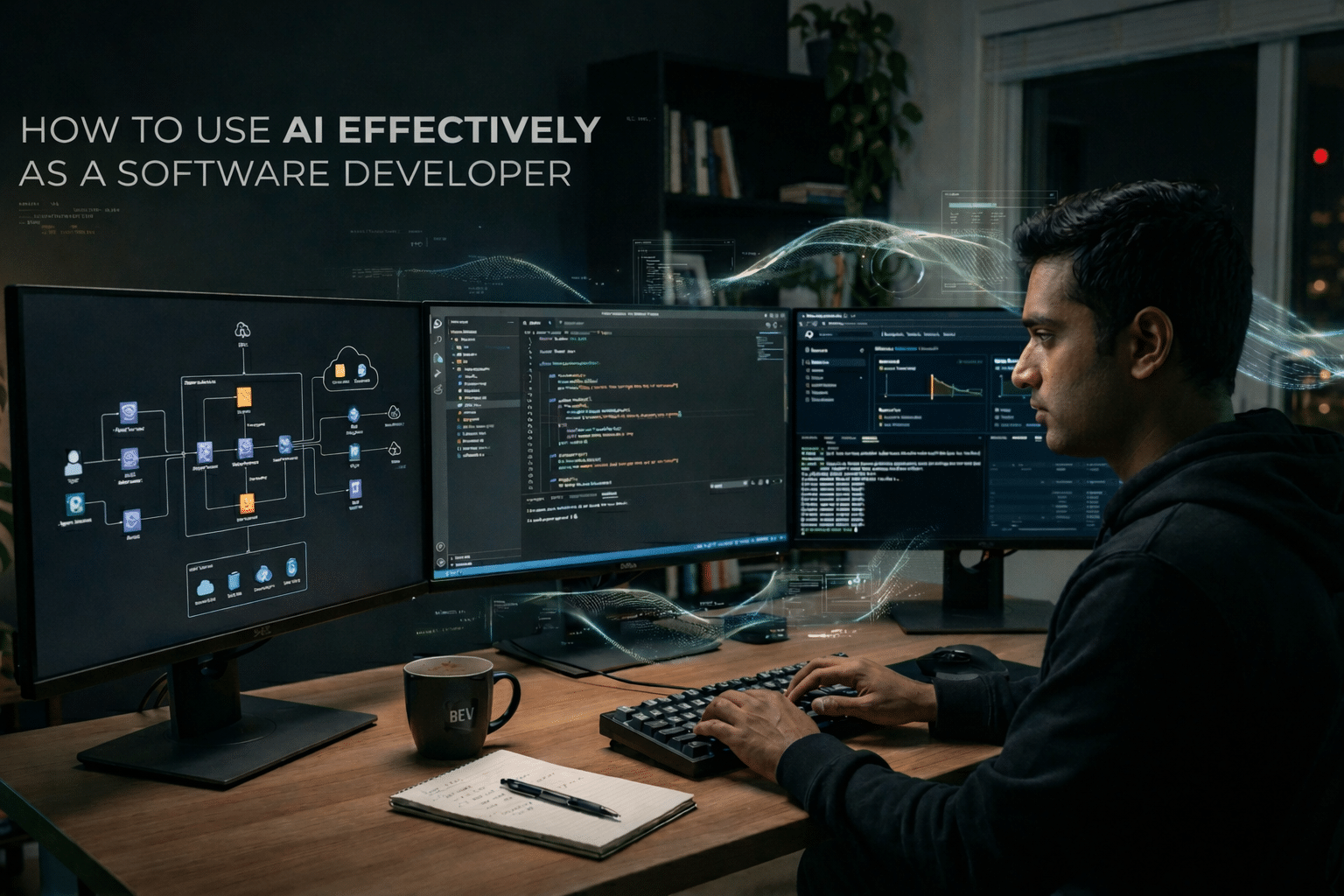
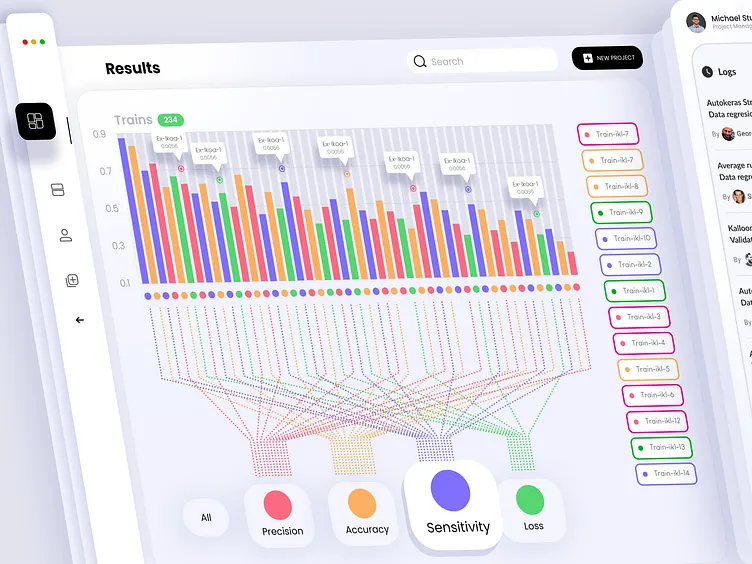
The AI Agent Engineering & Agentic Systems program is designed to take software engineers and AI practitioners beyond standalone LLMs and into the frontier of autonomous, task-oriented systems. You will master end-to-end agentic design patterns, tool integration, reasoning loops, memory structures, and multi-agent collaboration.
Through hands-on development, you will build systems capable of planning, self-correction, tool usage via Model Context Protocol (MCP), and production-grade observability.
Whether you’re building autonomous enterprise workflows, intelligent customer assistants, or multi-agent orchestrations, this program delivers the practical engineering skills required to build reliable, safe, and scalable AI agents.
Program Modules Covered:
- Module 1: AI Engineering & Agentic AI Foundations
- Module 2: LLM Foundations for Agent Engineers
- Module 3: Agentic Workflow Design & Task Decomposition
- Module 4: Reflection, Self-Critique & Iterative Improvement
- Module 5: Tool Use, Function Calling, APIs & MCP Engineering
- Module 6: Grounding, RAG, Search & Knowledge System
- Module 7: Planning, Memory & Highly Autonomous Agents
- Module 8: Multi-Agent Systems & Agent Communication
- Module 9: Evaluation-Driven Development, Error Analysis & Optimization
- Module 10: Production Engineering, Security, Guardrails & Observability
- Module 11: Deployment, Cost/Latency Engineering & Capstone
Skills You'll Develop
Your Learning Journey
Progress through a structured engineering path from foundational LLM mechanics to autonomous multi-agent deployments.
Foundation
Understand agent paradigms, LLM reasoning mechanics, and structured outputs.
Build
Design ReAct loops, planning frameworks, and self-critique/reflection flows.
Develop
Connect agents with external tools, custom APIs, and Model Context Protocol (MCP).
Practice
Implement stateful RAG, semantic/episodic memory, and contextual grounding.
Create
Build collaborative agent networks with supervisor-worker and peer-to-peer topologies.
Grow
Deploy secure, observable agentic systems with guardrails, evaluations, and cost controls.
Who Is This Program For?

Software Engineers
Engineers seeking to level up from standard Web/Backend development into autonomous AI agent architecture.

AI / ML Developers
Practitioners wanting to move beyond static LLM prompts or simple RAG and build autonomous, interactive systems.

Technical Architects
Tech leads looking to design safe, scalable, and controllable multi-agent automation workflows for enterprise platforms.

Product Innovators
Developers building AI-first products requiring automated task execution, web searching, tool calling, and self-correction.
By the End of This Program, You'll Be Able To

- Architect and build end-to-end autonomous AI agents and complex agentic workflows.
- Implement self-critique, reflection, and iterative self-correction mechanisms in AI systems.
- Integrate custom tools, REST APIs, and external systems using Model Context Protocol (MCP).
- Design hybrid search, RAG pipelines, and long-term memory architectures for grounded execution.
- Orchestrate multi-agent systems with hierarchical and peer-to-peer communication patterns.
- Conduct evaluation-driven development to benchmark agent performance and diagnose failure modes.
- Apply security guardrails, injection protection, and production observability to agent deployments.
Explore Other Programs
Expand your knowledge by exploring programs that complement your professional expertise.
AI Engineering (ML & DL)
The Artificial Intelligence program is designed to introduce learners to the core concepts, tools, and techniques used in…

Database Administration
The Database Administration program is designed to help learners understand how modern databases are designed, managed, secured, and…
Flutter Development
The Flutter Development program is designed to help learners build modern mobile applications using Google’s Flutter framework and…
Ready to Master AI Agent Engineering?
Take the next step toward building autonomous, highly resilient agentic systems designed for modern software environments.